Dawn or Dusk? When to Watch Wildlife Around the Bay
Two people can walk the same half-mile of shoreline twelve hours apart and come home with completely different notebooks. One has a page of sandpiper tracks, a photograph of flat water, and a list of six species. The other has a blurry gull, three midges in the eye, and a strong opinion about head torches. Both went out at "the best time of day." Both were right, and both were slightly wrong.
Dawn and dusk are not two versions of the same thing. The light falls in opposite directions, the wind behaves differently, the tide is at a different point in its cycle, and the animals are doing different jobs. Choosing between them is less about which is better and more about what you actually want to see.
Two Windows, Two Different Shifts
Most of the wildlife around a sheltered bay keeps something like a shift pattern. The middle of the day belongs to gulls, swimmers and heat haze. The edges — the first hour after sunrise and the last hour before dark — belong to almost everything else. Herons and egrets step onto the flats to feed. Fish push into the shallows. Small mammals risk the open ground. Insects either warm up or settle down for the night.
The difference is direction. Dawn is a rising: light grows, the air warms, sound builds from a few tentative notes into a full chorus, then thins as the sun clears the ridge and the beach fills with people. Dusk is a falling: the light softens, the wind drops, animals feed hard in the last of the warmth, and the whole cast changes within about twenty minutes. At dawn you watch a world switching on. At dusk you watch one switching over.
Light: Flat Water at Dawn, Silhouettes at Dusk
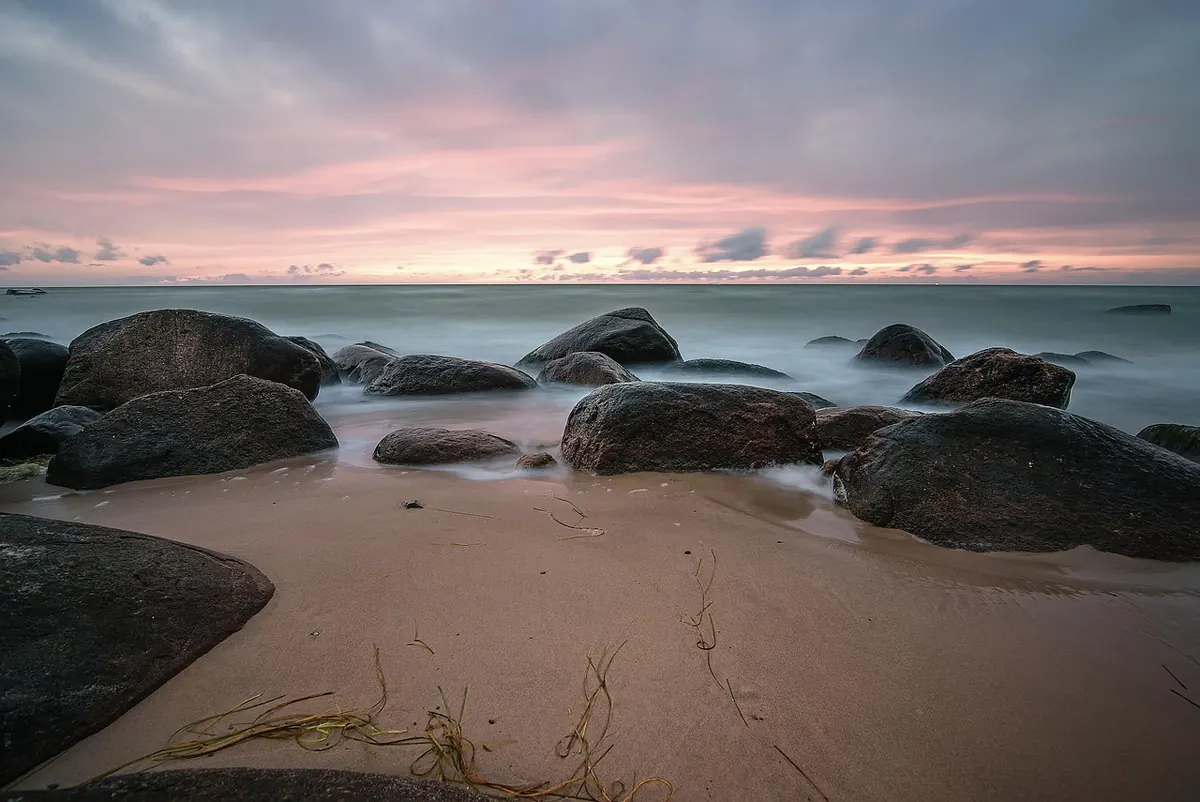
Where the sun sits relative to the bay matters more than most people expect. On a coast that faces west, sunrise comes from behind you, over the land. The water stays in cool, even light for a long time, with no glare on the surface — which is exactly what you want if you are trying to see into it. Good polarised sunglasses at dawn will show you the sandy bottom, the shape of a mullet, the outline of a crab. The same glasses at dusk do much less, because the sun is in front of you and the surface turns to hammered brass.
Dusk pays you back in other ways. Sideways light picks out every texture on a rock, and once the sun touches the horizon, everything above the waterline becomes a silhouette: a heron's neck, a cormorant's cross shape, a line of gulls heading somewhere specific. The colours are warmer, and the afterglow can last long enough to keep working.
The catch is speed. Dawn gives you a gradual ramp of useful light over forty minutes or so. Dusk takes it away much faster — after sunset you have roughly twenty-five minutes in summer, less in winter, before you are squinting. Your eyes need about twenty minutes in dim light to adapt properly, so if you plan to stay past sunset, put the phone away and let them do it. A red-filtered torch preserves that dark adaptation; a bright white one destroys it in a second.
The Tide Keeps Its Own Clock
One practical fact reorganises everything: high and low water arrive roughly fifty minutes later each day. Two highs and two lows cycle through the clock, which means a dawn low tide recurs only every couple of weeks. The sun and the tide drift in and out of phase, and no amount of enthusiasm changes it.
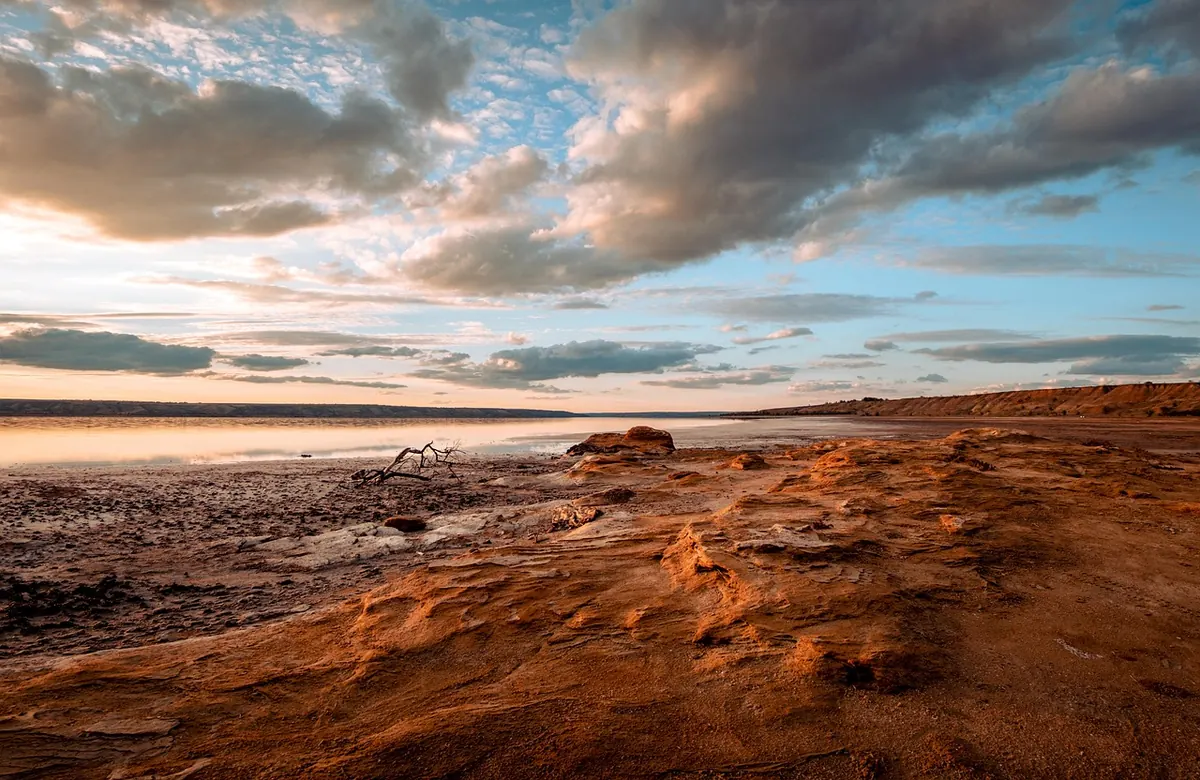
That matters because tide often decides more than light does. A low tide at first light exposes rock platforms and pools that are simply underwater at any other hour; a dusk high tide pushes fish and hunting birds close to the shore wall. Spring tides, around the new and full moon, give the biggest range and the widest exposure. Neap tides are gentler and better for watching open-water activity.
So work backwards. Decide what you want to see, then check a local tide table for that day, then decide whether dawn or dusk fits better. Add a sensible margin: rising water on a rocky shore can cut off a route you used twenty minutes earlier, especially on a spring tide. Tell someone where you are going, keep your phone in a dry bag, and turn around early rather than testing the depth of a channel.
What Dawn Does Better
Dawn is the shift for people who like quiet and detail. Air is coolest, the water is often glassy, and animals that have had eight hours without disturbance hold their ground far longer than they will at any other time. Sand holds crisp tracks and dew outlines everything. Sound carries: on a still morning you can hear an oystercatcher from a surprising distance.
- Birdsong. The dawn chorus is the loudest natural sound on the coast, and it fades quickly once full daylight arrives.
- Feeding fish. Surface rings, fleeing fry and the odd leaping mullet are far easier to spot on flat water.
- Undisturbed animals. Fewer walkers, fewer dogs, no swimmers. Herons and egrets tolerate closer approach before first light.
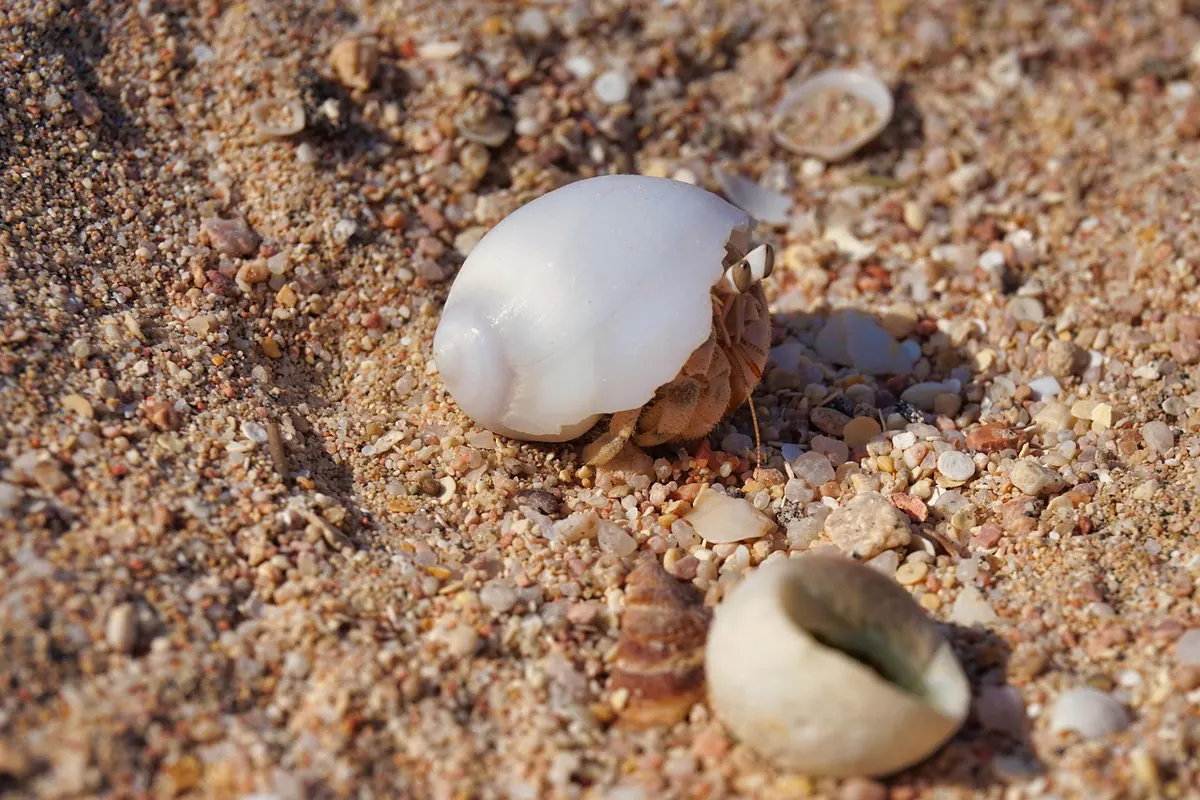
- Rockpooling. Cool air and low sun mean less heat stress on everything you turn over — and fewer people standing where you want to look.
- Photography. Long, soft light without the risk of losing it in a hurry.
What Dusk Does Better
Dusk is generous in a different way. No alarm, no cold feet at 5 a.m., and time to actually watch rather than rush. Animals are often hungrier and less cautious than at midday — the last warm hour is a feeding sprint before roost.
The roost flight
Watch where birds are going rather than what they are doing. Cormorants travel home in loose lines, low over the water. Egrets and herons pick up and drift towards favourite trees. Gulls gather on a flat roof or a sandbank in numbers that grow by the minute. Once you have found a roost, you have found something worth returning to.
The night shift
Twenty minutes after sunset the cast changes. Bats appear over the water, stitching lines through the last midges. Geckos come out on warm stone walls. In early summer, fireflies start up in the pines behind the beach, and the cicadas wind down. Warm gravel paths and stone parapets hold heat and attract insects, which is why so much activity happens along them after dark.
Wind, Cloud and Season
Wind can cancel a good plan faster than rain. At dawn, the land is often still cool and the breeze weak, so the bay lies flat. Through the day a sea breeze builds, and although it usually dies towards evening, it often leaves behind a chop that makes spotting anything in the water hard work. On windy days, choose the sheltered side of the bay, or a spot where you look along the shore rather than across open water.
Season tilts the balance too. Spring favours dawn, when the chorus peaks and migrants are moving. High summer favours dusk: it is cooler, it lasts longer, and the insects that feed everything else are out. Autumn mornings after a cold front can be excellent for passage birds. In winter, dawn is usually the better bet for wildfowl and waders, while dusk is when the big roosts form — pick one and commit, because the window is short.
A Simple Plan for Either Hour
- Pick one target — a roost, a rock platform, a sandy flat — rather than planning to "see what's about."
- Check the tide table first, then the sunrise or sunset time, then set your arrival twenty minutes early.
- Carry binoculars, a red-filtered torch for dusk, and shoes with grip for wet rock.
- Find a spot and stand still for ten minutes. Most of what you came for will come to you.
- Stay twenty minutes longer than feels sensible. The best moments at both hours usually arrive just after you were thinking of leaving.
Try each hour once in the same week, on the same stretch of shore. The comparison will teach you more about your own bay than any general rule — and it will tell you which one you actually want to get up for.
Photo: buzukis / Pixabay
Why Local Fishermen Watch Wind and Tides: A Bay Story
In one Mediterranean bay, fishermen read wind, tide and the water's small signals before dawn — habits any...
How to Photograph Coastal Wildlife Without Disturbing It
Practical field craft, camera settings and distance rules for photographing coastal wildlife so the animal...
About Us